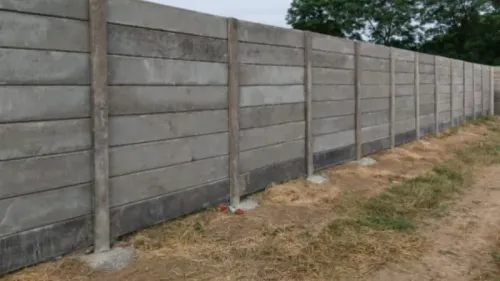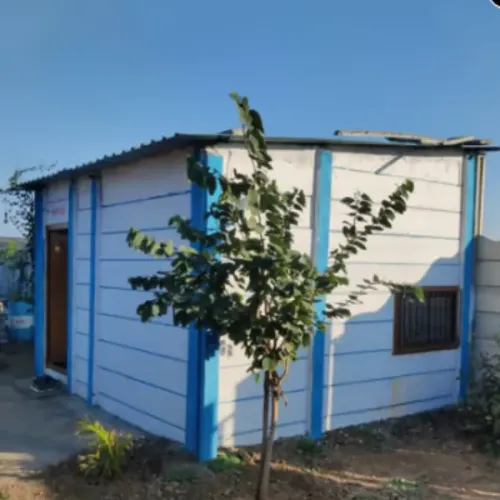



When planning a new residential, commercial, agricultural, or industrial property, one of the earliest decisions is selecting the right boundary wall. While traditional brick walls have been used for decades, many property owners today are choosing a Concrete Compound Wall because of its durability, faster installation, and long-term value.
For projects in Palwal, where construction timelines and maintenance costs are important considerations, understanding the differences between these two options can help builders and property owners make a better investment.
Why Choosing the Right Boundary Wall Matters
A boundary wall serves several purposes beyond marking the limits of a property. It improves security, protects valuable assets, enhances privacy, and contributes to the overall appearance of the site.
The right choice can also reduce future repair costs and minimise delays during construction. Since boundary walls are expected to last for decades, it is worth comparing the available options before beginning a project.
What Is a Concrete Compound Wall?
A concrete compound wall is typically made using reinforced precast concrete panels and support columns. These components are manufactured under controlled factory conditions and then transported to the project site for installation.
Unlike conventional masonry walls that require bricklaying, plastering, and curing on-site, precast concrete walls are assembled quickly after the foundation work is completed.
Understanding Traditional Brick Walls
Brick compound walls are constructed using bricks, cement mortar, plaster, and finishing work. This method has been widely used for years and continues to be suitable for certain projects, especially where custom architectural designs are required.
However, brick construction involves multiple stages, including:
- Material transportation
- Brick masonry
- Plastering
- Curing
- Surface finishing
- Painting, if required
Each stage increases construction time and labour requirements.
Comparing Concrete Compound Walls and Brick Walls
Installation Time
One of the biggest advantages of a concrete compound wall is its speed of installation.
Since precast panels are manufactured before arriving at the site, installation can often be completed much faster than brick construction. This allows other construction activities to continue without unnecessary delays.
Brick walls, on the other hand, require several weeks depending on the project size and weather conditions.
Structural Strength
Both options can provide strong boundaries when built correctly. However, precast reinforced concrete panels are specifically designed to deliver consistent strength because they are produced in controlled manufacturing environments.
Brick walls depend heavily on workmanship at the construction site, which can sometimes lead to variations in quality.
Maintenance Requirements
Concrete compound walls generally require less maintenance over their service life.
Brick walls may develop cracks in plaster, require repainting, or experience damage due to moisture over time, depending on environmental conditions and construction quality.
Weather Resistance
Palwal experiences hot summers, seasonal rainfall, and occasional temperature variations throughout the year.
Concrete walls perform well under these changing weather conditions because reinforced concrete offers good resistance to moisture, sunlight, and environmental wear.
Cost Considerations
While the initial investment depends on wall height, design, and site conditions, long-term ownership costs should also be considered.
Concrete compound walls often reduce expenses related to repairs, repainting, and maintenance over the years, making them a cost-effective option for many projects.
Which Properties Benefit Most from Concrete Compound Walls?
Precast concrete walls are suitable for various applications, including:
- Residential plots
- Farmhouses
- Industrial facilities
- Warehouses
- Schools and colleges
- Commercial buildings
- Infrastructure projects
- Government developments
- Agricultural land
- Factory premises
Their flexibility makes them suitable for projects of different sizes and purposes.
Factors to Evaluate Before Making a Decision
Every property has different requirements. Before selecting a boundary wall system, consider the following:
Project Timeline
If completing the project quickly is a priority, precast concrete offers a clear advantage.
Site Conditions
The soil type, terrain, and boundary layout influence installation planning.
Future Maintenance
Choosing a durable material today can reduce maintenance costs for many years.
Security Requirements
Properties requiring greater privacy or stronger perimeter protection often benefit from reinforced concrete construction.
Appearance
Modern concrete compound walls are available in various finishes and textures, allowing property owners to match the wall with the property's architectural style.
Common Misconceptions About Concrete Compound Walls
Some people believe concrete walls offer only strength and not aesthetics. In reality, modern precast systems are available in decorative designs that suit residential and commercial properties alike.
Another misconception is that precast walls are suitable only for industrial applications. Today, they are widely used for villas, farmhouses, educational institutions, residential communities, and landscaped properties because of their versatility and clean appearance.
It is also often assumed that brick walls are always stronger. In practice, the durability of any wall depends on the quality of materials, engineering, manufacturing, and installation rather than the construction method alone.
Selecting a Reliable Manufacturer
The quality of a concrete compound wall depends on the manufacturer's production standards, reinforcement practices, raw materials, and installation expertise.
Companies such as Trilok Precast manufacture precast concrete products for residential, commercial, agricultural, and industrial applications across Haryana. Evaluating the manufacturer's experience, product quality, and installation capabilities helps ensure that the chosen solution delivers reliable long-term performance.
For property owners and developers in Palwal, a concrete compound wall offers an effective combination of strength, faster construction, lower maintenance, and long service life. While traditional brick walls continue to have their place in certain projects, precast concrete solutions have become the preferred choice for those seeking efficiency, durability, and dependable performance in modern construction.